Limiting beliefs.
The stories about what’s possible for you, written years ago, mostly by other people, still running the show. “People like me don’t get to do things like that.”
You’ve been circling the same goal for months. Maybe years. You don’t need more motivation, and you sure as hell don’t need another podcast about morning routines. You need to understand the pattern that’s keeping you stuck, and the framework for breaking it. That’s what this is.
Sound familiar?
The business you keep almost starting. The career change you’ve been circling since two birthdays ago. The book, the move, the conversation, the thing. You think about it in the shower. You plan it on Sunday nights. And then Monday shows up and somehow another week goes by where the most important thing in your life got none of your attention.
So you do what capable people do: you try harder. You buy the planner. You wake up at 5am for eleven days. You write the goals on the whiteboard. And it works, briefly, the way a crash diet works, and then you’re right back where you started, except now you’ve got fresh evidence for the worst story you tell about yourself: that maybe you’re just not the kind of person who follows through.
I want to be straight with you, because I lived inside that loop for years. The problem was never your discipline. It was never your potential. The problem is that stuck is a pattern, the pattern has specific moving parts, and nobody ever showed you what they are. You can’t fix a machine you’ve never seen the inside of.
The core idea
Most advice about change runs in one direction: fix your mindset first, then the actions will follow. Believe in yourself, then start. Feel ready, then begin.
I tried that for most of my adult life. I was waiting for a feeling of readiness that never showed up. What finally worked, when I got sober and had to rebuild my entire life from nothing, was the exact opposite sequence. I took small actions I didn’t believe in yet. I made my bed every morning when I didn’t believe my life could change. I showed up, daily, to things that felt pointless. And the belief came afterward, built out of evidence instead of pep talks.
This isn’t just my story; it’s how the brain actually works. In 2004, researchers in Germany ran a strange little experiment: they taught a group of adults to juggle, scanned their brains before and after, and found that three months of practice had physically grown the grey matter in the regions handling visual motion. Then the participants stopped juggling, and the new growth receded.[1] Your brain is not a fixed thing you’re stuck with. It’s a structure that reshapes itself around whatever you repeatedly do. Which means every small action you take is not just progress on the goal. It’s construction work on the person.
You don’t think your way into a new way of acting. You act your way into a new way of thinking. Everything on this site is built on that one sentence.
What’s actually keeping you stuck
After years of doing this work on myself, and then with other people, I kept seeing the same architecture underneath everyone’s stuckness. It comes down to three locks:
The stories about what’s possible for you, written years ago, mostly by other people, still running the show. “People like me don’t get to do things like that.”
Not failure itself, but what you’ve decided it means. One collapsed attempt becomes a verdict, and the verdict becomes a reason to never attempt again.
The quietest lock and the strongest. Not “I did something bad” but “I am something bad.” Shame doesn’t argue with you. It just convinces you that you don’t deserve the thing, so why bother reaching for it.
Now, almost nobody walks around saying “my shame lock is acting up today.” The locks work in disguise, and the disguises look respectable. Perfectionism, which feels like high standards and functions like a stall tactic. Overthinking, which feels like diligence and functions like avoidance with a spreadsheet. Procrastination, which needs no introduction. And self-sabotage, the one where things start going well and you mysteriously blow them up.
If any of those made you wince a little, good. That wince is information. The framework’s job is to take you from the disguise (what you can see) down to the lock (what’s actually running), and then hand you the specific tools for breaking it. Which brings me to the quiz.
Start here. It’s free.
Stuck shows up in five flavors. Most people are running more than one, but one is usually doing the heavy lifting.
The story in your head says you can’t, so you don’t.
The feelings are driving, and they keep pulling over.
You know what to do. You just keep not doing it.
No time, no money, no support. The circumstances are real, and they’re winning.
Somewhere under it all, you’re not sure you deserve the thing.
The quiz takes about five minutes and tells you which type is primarily running your life right now, what it actually looks like day to day, and the first move for breaking it. Knowing the name of the thing matters more than you’d expect. It’s hard to fight an enemy you can’t see, and surprisingly possible to fight one you can.
The path
Everything here is the same engine at different sizes. The quiz names your pattern, free, in five minutes. The workbooks are seven-day investigations into one specific pattern, for the cost of a couple of coffees. The course teaches the full framework with structure and accountability. And coaching is the framework with me personally in your corner for ninety days. Start wherever matches how stuck you are and how ready you are to move. Most people start with the quiz. Smart move; it points you at the right door.
Name your pattern. Free, five minutes.
Seven days on one pattern.
The full framework, taught.
Ninety days, with me in your corner.
Do the work, not just the reading
Each workbook is a structured seven-day investigation into one specific way people get stuck. Short on purpose. You don’t need three hundred pages of theory; you need seven days of honest questions, small actions, and a structure that makes you actually do them.
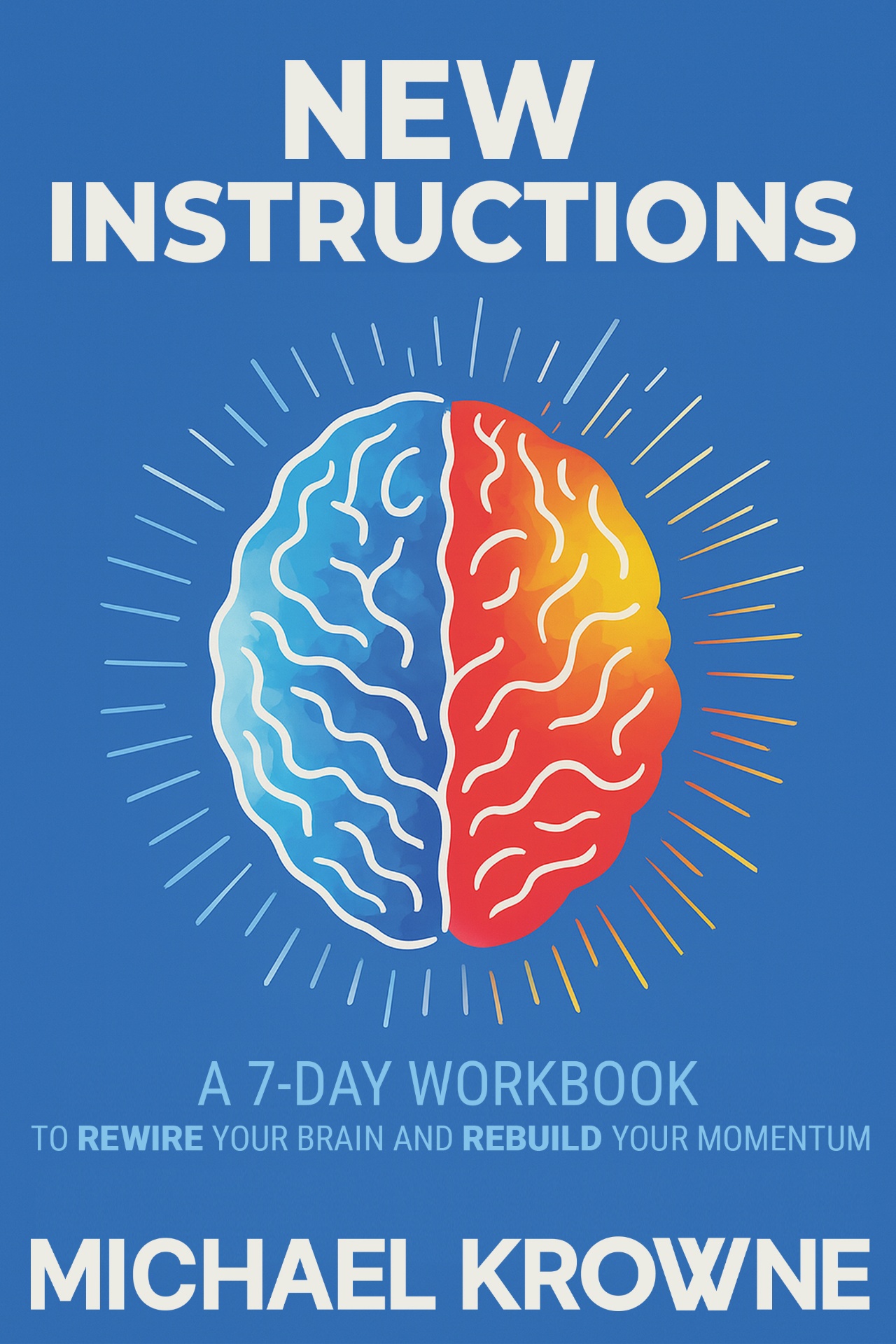
A 7-day workbook to rewire your brain and rebuild your momentum.
Your brain is running old code. It was written under pressure, mostly by a younger version of you, and it’s still firing on situations that stopped existing years ago. Seven days of writing new instructions, on purpose, and giving the machine something better to follow.
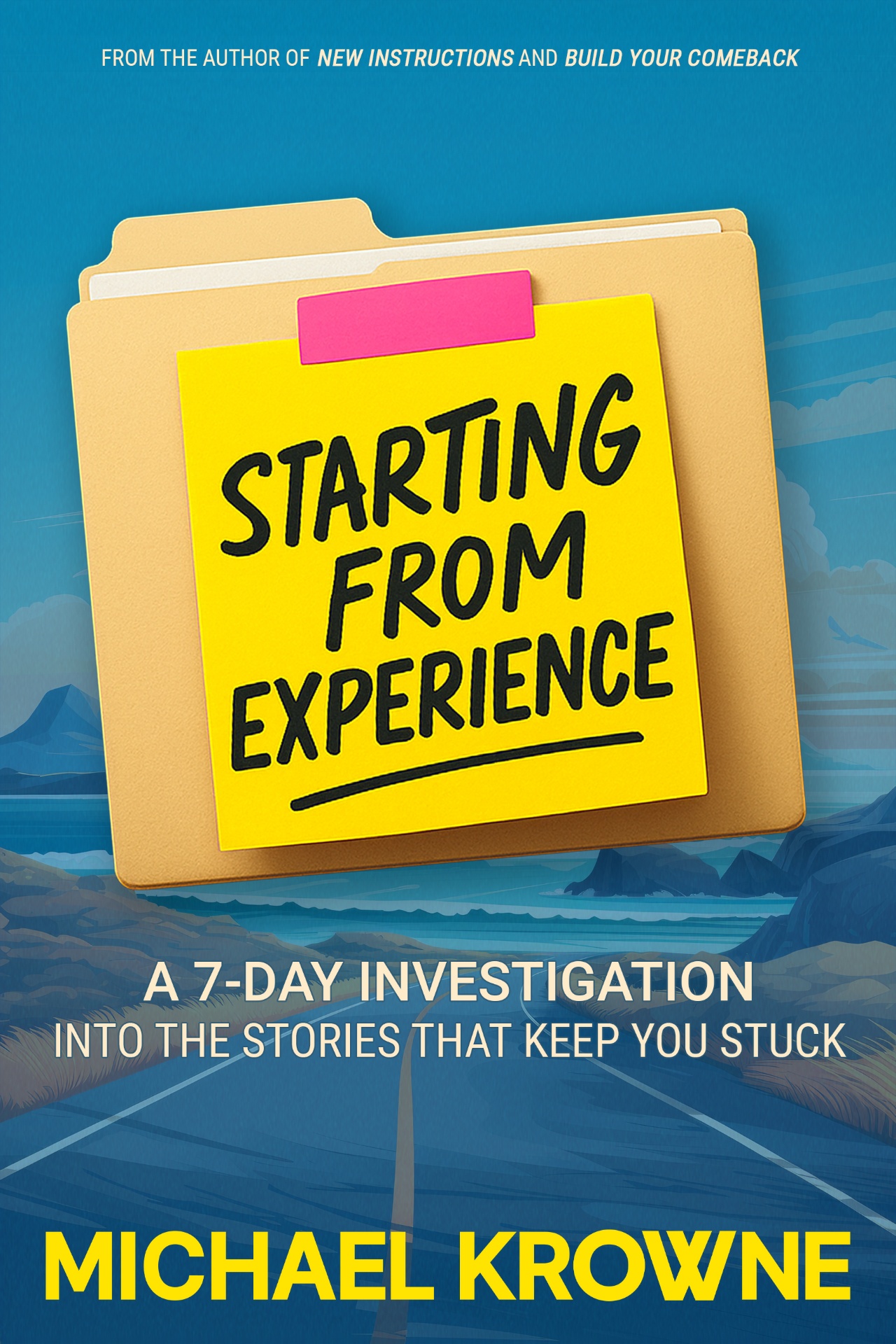
A 7-day investigation into the stories that keep you stuck.
The beliefs running your life were written a long time ago, mostly without your permission, and they’ve been quietly filtering your reality ever since. Seven days of tracing where the stories came from, catching them in the act, and replacing them with something you actually chose. You’re not starting from scratch. You never were. You’re starting from experience.
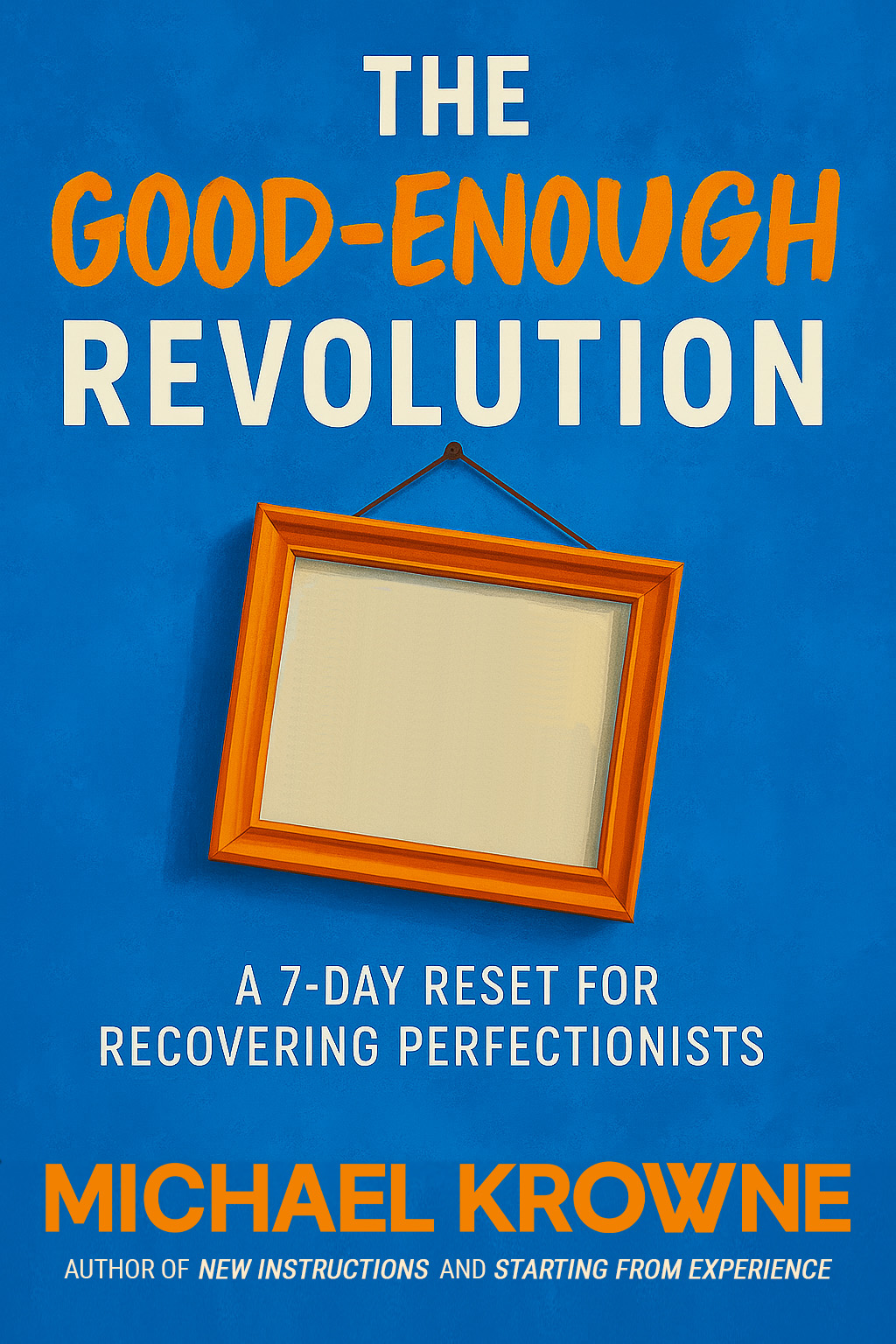
A 7-day reset for recovering perfectionists.
Perfectionism isn’t a high standard. It’s a stall tactic wearing a nice outfit, and it’s probably cost you more finished work than laziness ever did. Seven days of deliberately shipping at 80 percent, building circuit breakers for the polish spiral, and watching the world conspicuously fail to end.
Coming soon
The full framework in twelve chapters: the three locks, the four disguises, and the system for breaking them, told through the story of how I had to use every single piece of it myself. I’m not writing it from a mountaintop. I’m writing it from the receipts: the rock bottom, the rebuild, and the four companies that came after. The people on the list get the release date first, the first excerpt, and first access to whatever I do at launch.
In development
Reading about getting unstuck and actually getting unstuck are two different sports. The course exists for the second one: the framework taught step by step, with exercises you complete, structure that carries you when motivation quits, and a sequence designed around small actions that compound. The first version launches as a small beta cohort at a discounted price, in exchange for honest feedback. The waitlist hears everything first.
I take a few 1:1 coaching clients at a time, and the deal is simple: ninety days of working directly with me to get the one thing you’ve been stuck on for years finally moving. One long session where I find the move you can’t see, a weekly working session where we make it together, and a daily system that rebuilds your self-trust while the project advances. It’s the most hands-on version of this work that exists, and it’s not for everyone, which is exactly why there’s an application.
See how it works →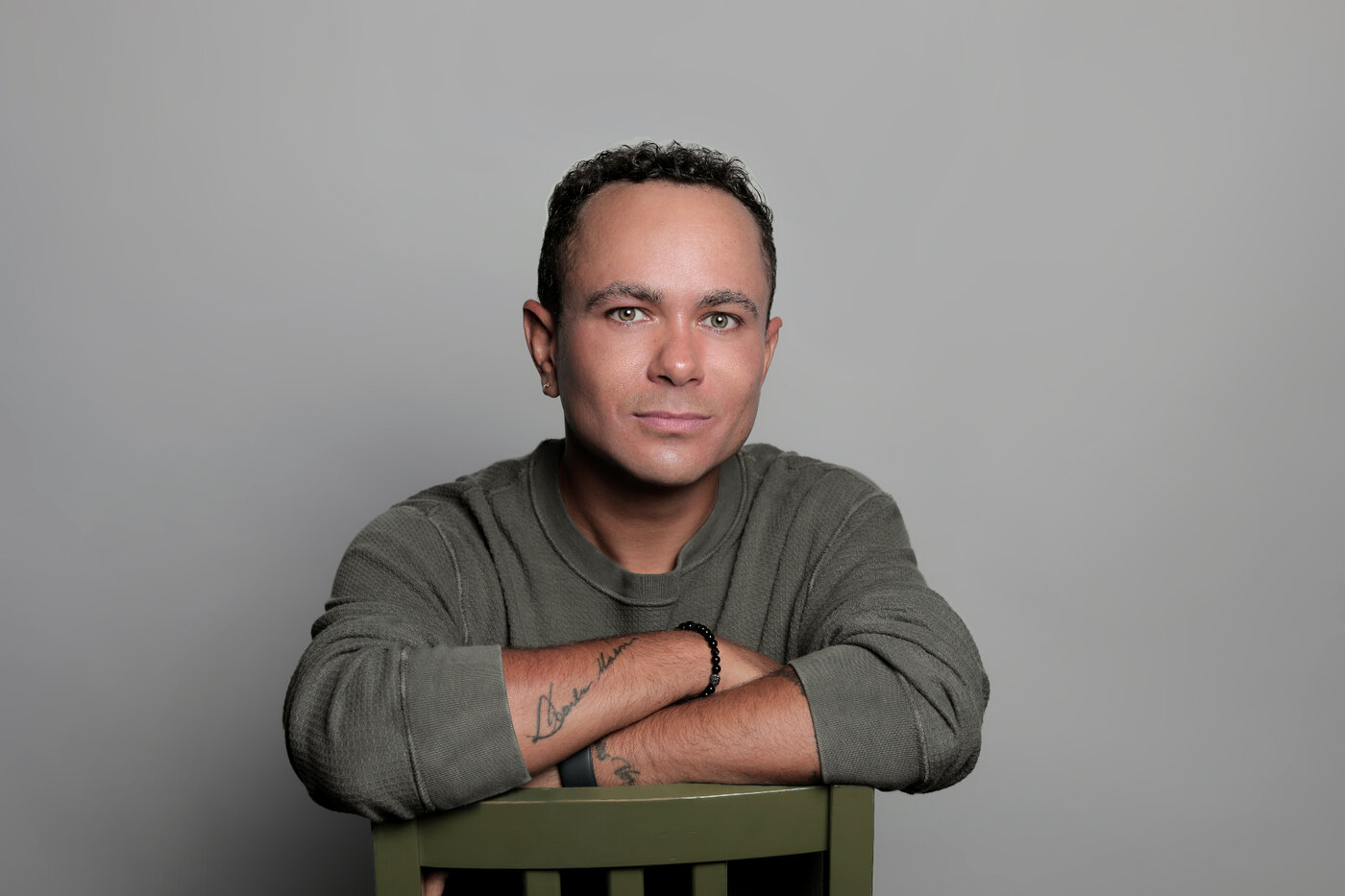
About Michael
When I got sober I had one sock, twenty-eight dollars, and a backpack. That’s not a metaphor. That was the inventory.
Before that, I’d spent close to twenty years operating inside companies, doing turnarounds, fixing broken things, building from nothing. From the outside I looked like the guy who had it handled. Inside, I was running a cycle I now call build, burn, repeat, and the burns were getting worse. Eventually I lost all of it.
The rebuild taught me what no boardroom ever did: that the sequence of change runs backwards from how everyone describes it. Action first, belief later. Today I run four companies and I’m still in the rooms. Build Your Comeback is everything I learned, organized into a framework, so you don’t have to learn it the way I did.
The Launchpad
One email a week. Short, honest, practical. Tools from the framework, things I’m actually working through, and zero filler. No spam, and the unsubscribe button works.
You don’t have to believe anything yet. You just have to take one five-minute action. That’s how every comeback I’ve ever seen got started, including mine.